-
LATIN AMERICA: SO FAR FROM GOD, SO CLOSE TO THE UNITED STATES
Coups, dictatorships, revolutions, civil wars... For decades, Latin America has been a testing ground for a world marked by violent inequalities and growing polarization.

-


Series (3 Episodes available)
-
Director(s):
JAUDEAU (Delphine), PERETIE (JEAN-BAPTISTE)
-
Producer(s):
NILAYA PRODUCTIONS, ARTE FRANCE
-
Territories:
Worldwide.
-
Production year:
2025
-
Language(s):
German, English, French, German, English, French
-
Rights:
TV, DVD, NON-THEATRICAL, INTERNET, VOD
Coups, dictatorships, revolutions, civil wars... For decades, Latin America has been a testing ground for a world marked by violent inequalities and growing polarization.
In six emblematic countries - Brazil, Chile, Panama, Nicaragua, Venezuela, and Colombia - men and women share their struggles. They recount the tragedy of a fractured continent, constantly subjected to interventions from its powerful neighbor, the United States. They are former ministers, opposition figures, secret service agents, torture survivors, guerrilla fighters, lawyers, investigative journalists, diplomats, police chiefs... They have shaped history. Through their words, we relive this historical saga in both its political and human dimensions.
-
GREENLAND: THE ICY ELDORADO
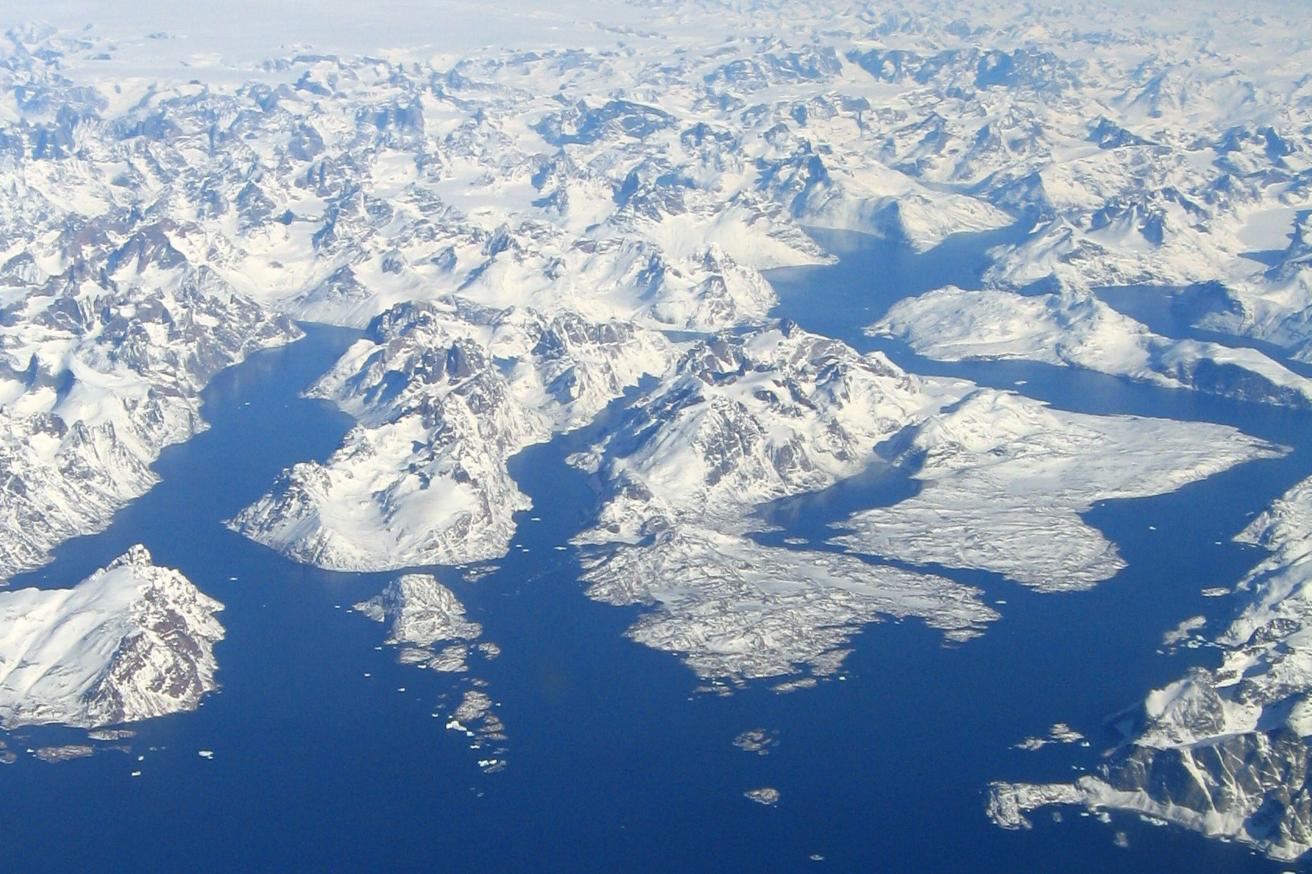
Greenland has become a major geopolitical issue between the United States, Europe, Russia, and China due to its geographical location and mineral resources. Its geopolitical destiny will have significant ecological consequences...
-
One-off
-
Director(s):
CAUCHARD (JEAN-YVES), MELTZ (Vivien)
-
Producer(s):
TEMPS NOIR, ARTE GEIE
-
Territories:
Worldwide.
-
Production year:
2025
-
Language(s):
German, English, French
-
Rights:
TV, NON-THEATRICAL, INTERNET, VOD
Greenland has become a major geopolitical issue between the United States, Europe, Russia, and China due to its geographical location and mineral resources. Its geopolitical destiny will have significant ecological consequences for the entire planet.
Greenland is the land of all paradoxes. The largest island in the world, with its 2.2 million square kilometers covered 80% by ice, is also one of the least densely populated territories on Earth, with barely 57,000 inhabitants. Mainly living off fishing, tourism, and Danish subsidies, yet sitting on a potential treasure of... We are talking about 25% of the world's hydrocarbon reserves, the third-largest uranium reserves, and 20% of rare earths... An icy Eldorado that today sparks all sorts of ambitions. Greenland has become one of the hotspots where the future of our multipolar world is being shaped. This is what the film will explore, addressing both its economic and commercial challenges, as well as its geo-ecological and military implications.
-
FIESTA! A FESTIVE TOUR AROUND THE WORLD
Cambodia & Nepal
Our desire to celebrate is often linked to our relationship with the cosmos and nature. Since time immemorial, the key moments of the agricultural year have been celebrated, just as those of the lunar or solar calendar. People ...
-
-
Territories:
Worldwide.
-
Production year:
2026
-
Language(s):
German, English, French
-
Rights:
TV, DVD, NON-THEATRICAL, INTERNET, VOD
Our desire to celebrate is often linked to our relationship with the cosmos and nature. Since time immemorial, the key moments of the agricultural year have been celebrated, just as those of the lunar or solar calendar. People celebrate to implore and thank Nature, to celebrate fertility, the return of the stars, life, and thus ward off death. These are the festivals of sowing, the solstices, and the harvests…
-
-
FOOD MARKETS
IN THE BELLY OF KRAKOW
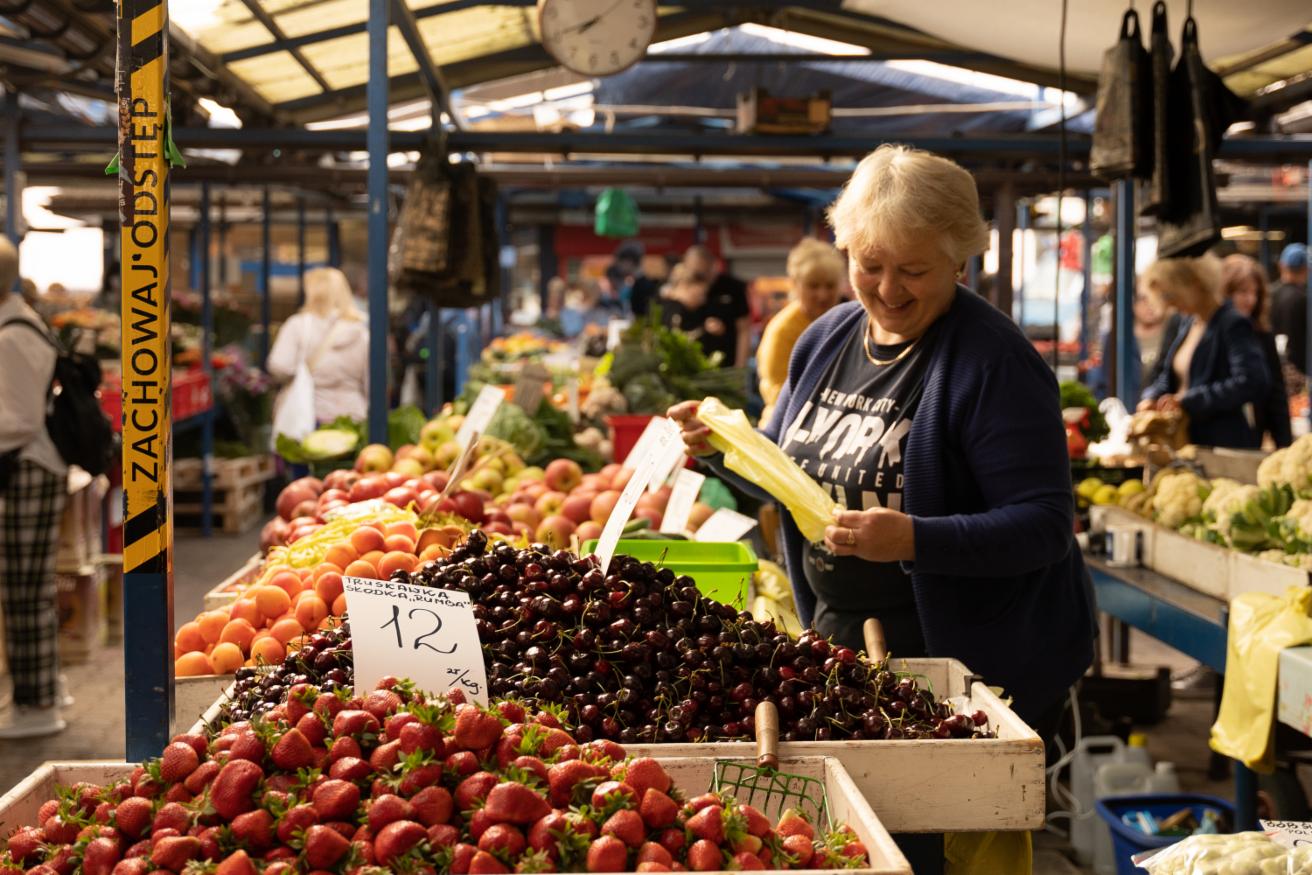
At the heart of Krakow lies Stary Kleparz, a vibrant market offering a rich variety of traditional southern Polish foods. From chef’s bigos cooked right on the spot to handmade pierogi, the market is a flavorful entry point to ...
-
Episode
-
Territories:
Worldwide.
-
Production year:
2026
-
Language(s):
German, English, French
-
Rights:
TV, DVD, NON-THEATRICAL, INTERNET, VOD
At the heart of Krakow lies Stary Kleparz, a vibrant market offering a rich variety of traditional southern Polish foods. From chef’s bigos cooked right on the spot to handmade pierogi, the market is a flavorful entry point to the region’s culinary heritage. We travel through Lesser Poland to discover the smoky oscypek cheese, lavender vinegar, sausages, and a rare trout breed, before returning to the city for a taste of obwarzanek and pączki — the city’s famous bread ring and the sweet fried dough. Krakow’s market bridges past and present, field and feast.
Stary Kleparz, Krakow’s oldest food market, is a buzzing crossroad of local tradition and flavors. It’s here that Bartosz stirs his pot of steaming bigos — a rich stew of cabbage and meats — for customers strolling among colorful stalls. Maria folds the pierogi by hand, keeping alive a recipe passed down through generations. But the story of Krakow’s food doesn’t end in the city.
We head south toward the Podhale region, nestled in the Carpathians near the Tatra Mountains. There, shepherd Krysztof tends his flock and crafts oscypek, a traditional smoked goat’s milk cheese, following age-old methods. Anna and Michał harvest fields of lavender to transform into a fragrant culinary vinegar, while in Piaski Wielkie, Szczepan shares his time-honored technique for smoking sausages — a process that gives each bite its distinctive flavor. Nearby, in the Ojców National Park, Agnieszka and her mother raise and smoke trout in the cool mountain waters, and on Irena’s farm, plums are dried and smoked on woodfire to create a uniquely Polish delicacy.
Back in Krakow, the streets are alive with the scent of obwarzanek — the iconic, sesame-topped bread rings baked in Krzysztof’s oven and sold warm from city stalls. For those with a sweet tooth, there are pączki — fried dough delights filled with jam and sugar, the true ancestors of the American donut. Krakow’s food scene is a living mosaic of seasonal ingredients, historical recipes, and passionate people who keep traditions alive, both in the city and across the countryside.
-
COFFEE ODYSSEY - THE NEW SUSTAINABLE ROUTES
COSTA RICA
-
-
Territories:
Worldwide.
-
Production year:
2026
-
Language(s):
German, English, French
-
Rights:
TV, DVD, NON-THEATRICAL, INTERNET, VOD
-
-
Predators of the Great Barrier Reef
TIGER SHARK: THE WANDERING GUARDIAN (43')
In the shimmering waters of the Great Barrier Reef, the tiger shark reigns supreme. A legendary predator and essential to the balance of the reefs, it fascinates as much as it frightens. Australian scientists decipher its behav...
-
-
Territories:
Worldwide.
-
Production year:
2025
-
Language(s):
German, English, French
-
Rights:
TV, DVD, NON-THEATRICAL, INTERNET, VOD
In the shimmering waters of the Great Barrier Reef, the tiger shark reigns supreme. A legendary predator and essential to the balance of the reefs, it fascinates as much as it frightens. Australian scientists decipher its behavior, its migrations, and the complex interactions that bind it to humans. Thanks to new technologies and an unprecedented approach to cohabitation, this film unveils the mysteries of a giant of the seas, the silent guardian of a fragile world.
-
-
GIORGIA MELONI'S RISE
GIORGIA MELONI'S RISE - EP. 1
-
-
Territories:
Worldwide.
-
Production year:
2025
-
Language(s):
German, English, French
-
Rights:
TV, NON-THEATRICAL, INTERNET, VOD
-
-
FOOD MARKETS
IN THE BELLY OF BUCHAREST
Piata Obor is Romania’s culinary heart, where city chefs and home cooks alike source the freshest ingredients. From Doru’s cherry orchard to Ionuț’s fragrant herbs, the market links the hi-tech capital to its rural roots. We ex...
-
-
Territories:
Worldwide.
-
Production year:
2026
-
Language(s):
German, English, French
-
Rights:
TV, DVD, NON-THEATRICAL, INTERNET, VOD
Piata Obor is Romania’s culinary heart, where city chefs and home cooks alike source the freshest ingredients. From Doru’s cherry orchard to Ionuț’s fragrant herbs, the market links the hi-tech capital to its rural roots. We explore rustic goulash, colorful lobodă, traditional desserts like papanasi and we taste bragă, a tangy fermented drink. Outside the city, we join harvesting juicy watermelons and fishing on the Danube Delta. Piata Obor is a delicious blend of tradition, creativity, and seasonal bounty.
In Bucharest, Piata Obor is more than a food market. It’s a living showcase of Romanian flavor and traditions. Beneath its wide roof, farmers and food lovers exchange not only goods but also stories. Chef Mihai, a market regular, reinvents the classic goulash with offcuts and forgotten parts of the animal, giving new life to humble ingredients. Robert prepares a steaming dish of lobodă — red orach — with a burst of color and taste. And food blogger Jamila offers her take on papanasi, Romania’s iconic dessert made of fried dough, cheese, and jam.
Beyond the market’s colorful stalls, we venture into the orchards of Doru, whose cherry trees bear fruit with unmatched sweetness. In the fields surrounding the capital, young Ionuț cultivates aromatic herbs —thyme, lovage and many more — all destined for Obor’s tables. In Dăbuleni, Ninel proudly harvests his watermelons, prized for their size and taste. Then, we meet Dragoș, one of the few remaining producers of bragă, an ancient, fermented grain drink once popular across the Balkans. Made from wheat or corn, it’s tangy, lightly fizzy, and deeply rooted in Romanian heritage just as the Prussian carps, fished in the Danube Delta.
Returning to Obor, the market pulses with life — its stands brimming with pickles, fruit, grilled minced meat and spices. With its deep connections to the surrounding countryside, Piata Obor captures Romania’s complex relationship with food: at once rustic and refined, rooted in the past and open to reinvention. Here, tradition meets creativity, and every ingredient tells a story.
-
-
COFFEE ODYSSEY - THE NEW SUSTAINABLE ROUTES
UGANDA
-
-
Territories:
Worldwide.
-
Production year:
2026
-
Language(s):
German, English, French
-
Rights:
TV, DVD, NON-THEATRICAL, INTERNET, VOD
-
-
FIESTA! A FESTIVE TOUR AROUND THE WORLD
Equateur-Guyane - Derrière le masque
Why have humans felt the need to wear masks for thousands of years? What is liberated when we leave our everyday identity behind? To understand this, anthropologist Anne-Sylvie Malbrancke will attend two festivals in which anon...
-
-
Territories:
Worldwide.
-
Production year:
2025
-
Language(s):
German, English, French
-
Rights:
TV, DVD, NON-THEATRICAL, INTERNET, VOD
Why have humans felt the need to wear masks for thousands of years? What is liberated when we leave our everyday identity behind? To understand this, anthropologist Anne-Sylvie Malbrancke will attend two festivals in which anonymity, made possible by costumes, plays a central role: the Diablada de Pillaro (Ecuador), during which men, despite being devout Catholics, transform themselves into devils, and the masked ball of the Cayenne Carnival (French Guiana), dominated by a mysterious figure... the “Touloulou.”
-
-
FOOD MARKETS
IN THE BELLY OF ROME
The Trionfale Market in Rome is the Eternal’s city largest food market. Among the 144 city markets running daily, the 273 stalls at the recently built Trionfale, showcases the essence of the Roman culinary tradition: one of sim...
-
Episode
-
Territories:
Worldwide.
-
Production year:
2026
-
Language(s):
German, English, French
-
Rights:
TV, DVD, NON-THEATRICAL, INTERNET, VOD
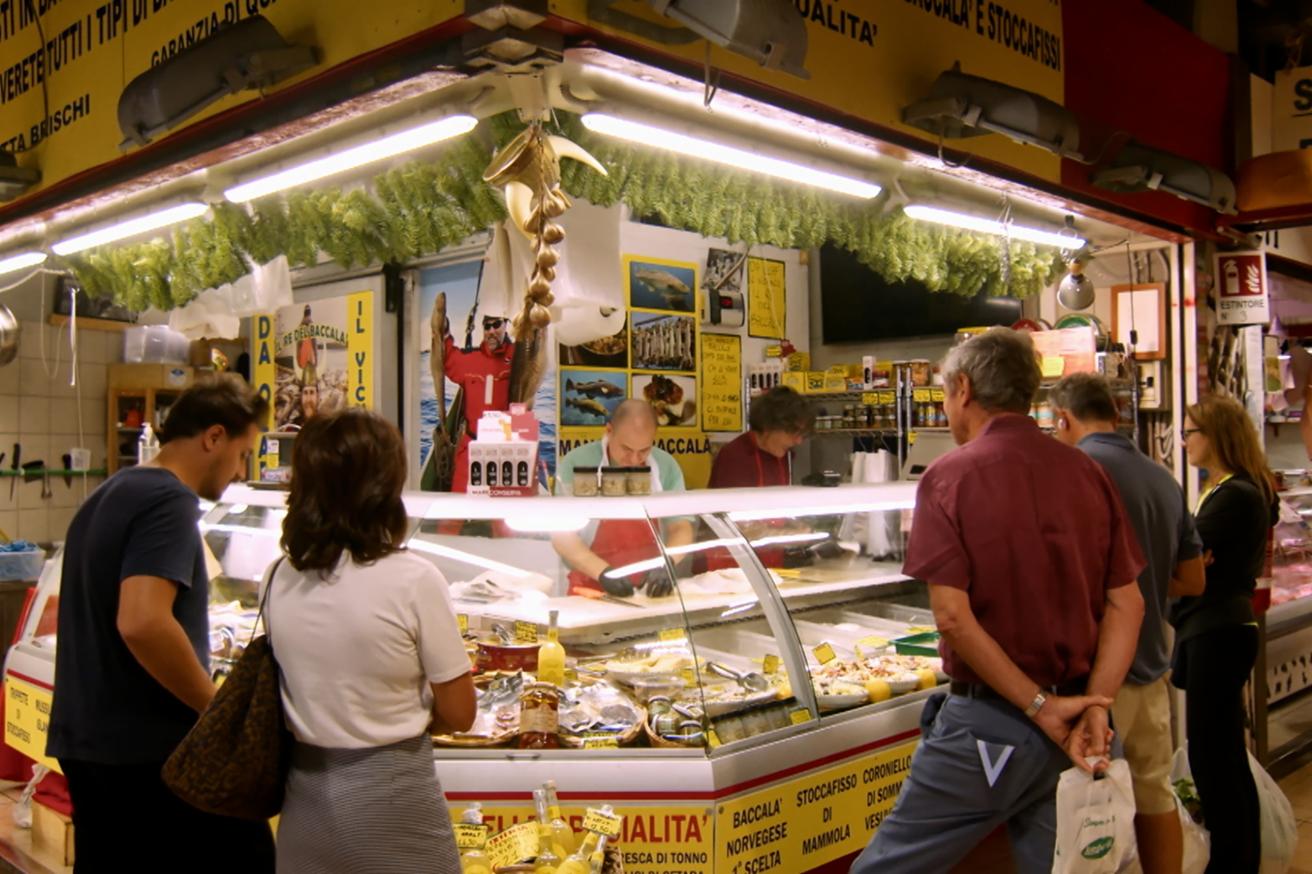
The Trionfale Market in Rome is the Eternal’s city largest food market. Among the 144 city markets running daily, the 273 stalls at the recently built Trionfale, showcases the essence of the Roman culinary tradition: one of simplicity and taste. From Loredana’s artichokes to Flavio -"Olaf’s" baccalà or salted cod and Giuseppe’s Pecorino Romano – salted sheep cheese, this food hub connects housewives and youngsters shopping with chefs, farmers, and artisans that bring their rich agricultural heritage to the stalls: be it cooking the Cacio e Pepe or using the wild strawberries in a cake.
Rome’s culinary heartbeat thrives at the Trionfale Market, the city’s largest food hub with 273 stalls. Located in the elegant neighbourhood of Prati, just behind the Vatican walls, yet rooted in its humble historic origins, the newly built market offers vibrant corridors divided by product and origin: green for farmer’s fruits and vegetables, blue for fish, and red for meat. Loredana is a beloved vendor who brings forward a decade-long tradition of selling artichokes, a cornerstone of the Roman cuisine, and of the 16th century Jewish ghetto. Chef Davide teaches at the culinary institute close to the Via Appia, sharing the secrets of the carciofi alla giudia with his students.
In Castel di Guido, Sandro cultivates a variety of vegetables and in May his major production is focused on the zucchini and its flowers. One of his customers has a bistro close to the market, and transforms the flowers into simple yet delicious dishes. Flavio “Olaf” known as "the Viking," prepares and sells exquisite salted and dried cod, advising the customers on the best way to cook it while Beppe, a cheese producer from Piedmont, champions the Pecorino Romano, a salted sheep milk cheese used by the Roman legionaries 2700 years ago. After seeing the production facilities in Torrita Tiberina, we are led back to a local chef preparing the traditional tonnarelli cacio e pepe. And what cannot be missed are the seasonal treasures like Danilo’s wild strawberries from Nemi, or the iconic Roman staples such as the porchetta – piglet spitted over firewood - from Ariccia, one of the Roman castles.
-
COFFEE ODYSSEY - THE NEW SUSTAINABLE ROUTES
CANARY ISLANDS
-
-
Territories:
Worldwide.
-
Production year:
2026
-
Language(s):
German, English, French
-
Rights:
TV, DVD, NON-THEATRICAL, INTERNET, VOD
-


Loading...